Red Hat Enterprise Linux (RHEL) is the leading enterprise Linux distribution in the world.
1. RHEL 的起源与发展 / Origin and Development
RHEL 起源于 1993 年,是最早一批 Linux 发行版之一。RHEL originated in 1993 and was one of the first Linux distributions.
它是首批提供商业技术支持的 Linux 发行版。It was among the first distributions to offer commercial support with its software.
正因提供了稳定且专业的企业级支持,RHEL 已成为企业环境中使用最广泛、最成功的 Linux 发行版。Because of its professional support, Red Hat Enterprise Linux is currently the most successful Linux distribution for enterprise use.
2. 版本发布节奏 / Release Cycle
大版本(Major Version):大约每 3 年发布一个新的主要版本。A new major version of RHEL is released approximately every 3 years.
当前最新大版本:RHEL 10。The current major version of RHEL is 10.
小版本(Minor Version):在大版本生命周期内,通常每 6~9 个月发布一次小版本更新。During the lifetime of a major version, minor updates are provided — typically every six to nine months.
3. 大版本与小版本的区别 / Major vs Minor Versions
大版本:会引入重大功能变更、架构调整和新特性。Big changes and new features are introduced in major versions.
小版本:主要进行 bug 修复、安全更新和性能优化,不会引入破坏性的大变化,保持系统高度稳定。Minor versions focus on bug fixes, security updates, and performance improvements. They do not introduce big changes.
4. 支持策略 / Support Policy
当新版本发布后,前一个或前几个旧版本仍会继续获得官方支持。While a new version is introduced, the previous version(s) will still be supported.
Red Hat 为每个大版本提供长期支持,适合企业长期稳定部署。
详细支持政策请参考官方链接:Red Hat Enterprise Linux Support Policy
小贴士 / Tip:对于企业用户而言,RHEL 的核心优势在于稳定性 + 长期支持 + 专业技术支持,这也是它在金融、电信、政府、大型互联网企业等生产环境中被广泛采用的主要原因。For enterprise users, the biggest advantage of RHEL lies in its stability, long-term support, and professional technical support.
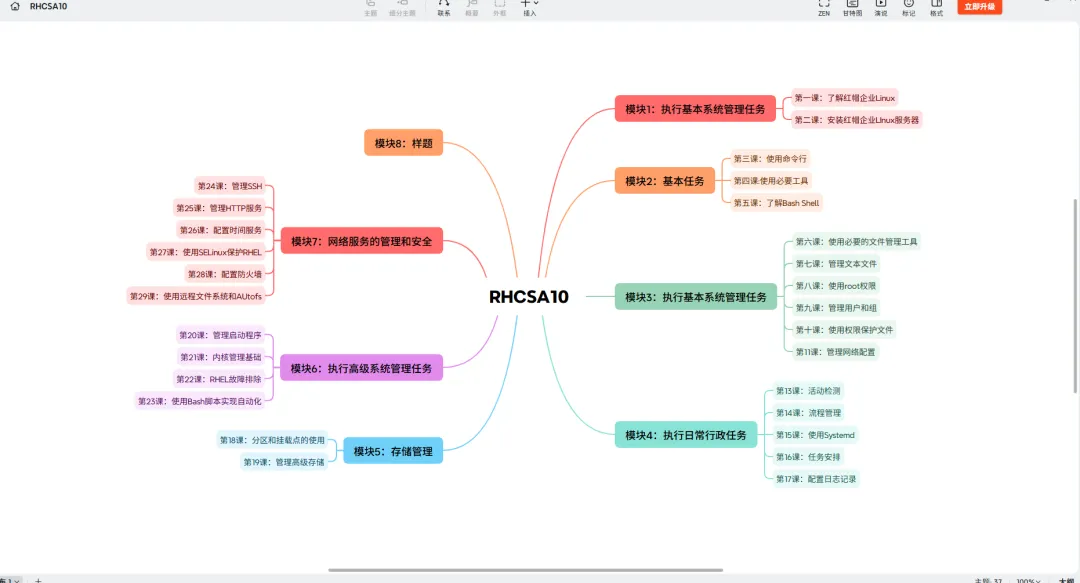 文章规划
文章规划