Linux环境下C语言实现ping命令
涉及的知识点
ICMP的报文格式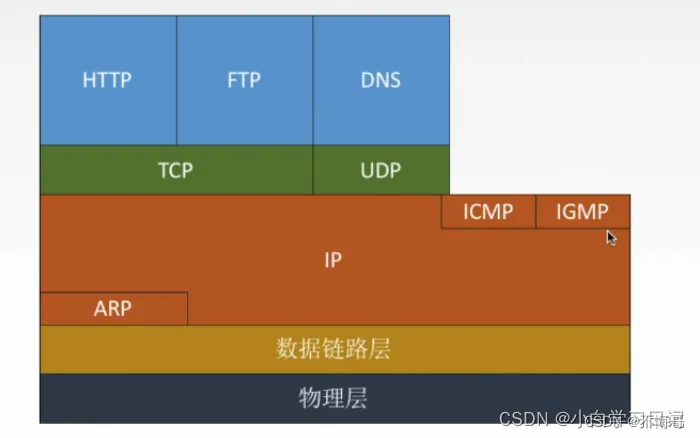 可以看到ICMP位于网络层,是网络层协议。ICMP作为IP层数据报的数据,加上数据报的首部,组成IP数据报发送出去。 ICMP报文包含在IP数据报中,IP报头在ICMP报文的最前面。一个ICMP报文包括IP报头(至少20字节)、ICMP报头(至少八字节)和ICMP报文(属于ICMP报文的数据部分)。当IP报头中的协议字段值为1时,就说明这是一个ICMP报文。
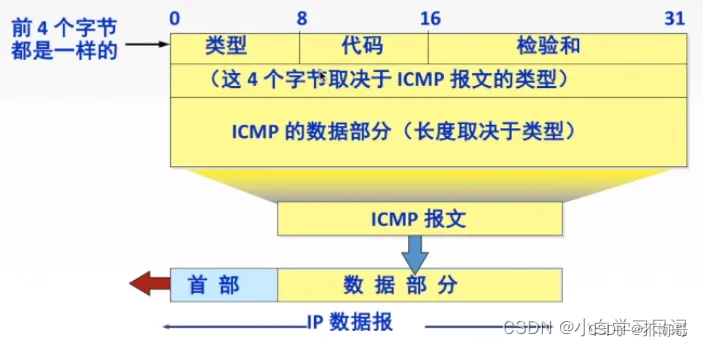 类型:占1字节,标识ICMP报文的类型,从类型值来看ICMP报文可以分为两大类。第一类是取值为1~127的差错报文,第2类是取值128以上的信息报文 代码:占1字节,标识对应ICMP报文的代码。它与类型字段一起共同标识了ICMP报文的详细类型 校验和:占2字节,这是对包括ICMP报文数据部分在内的整个ICMP数据报的校验和,以检验报文在传输过程中是否出现了差错 内容:占8字节。 IP数据包格式 首部至少需要20个字节(4X5)
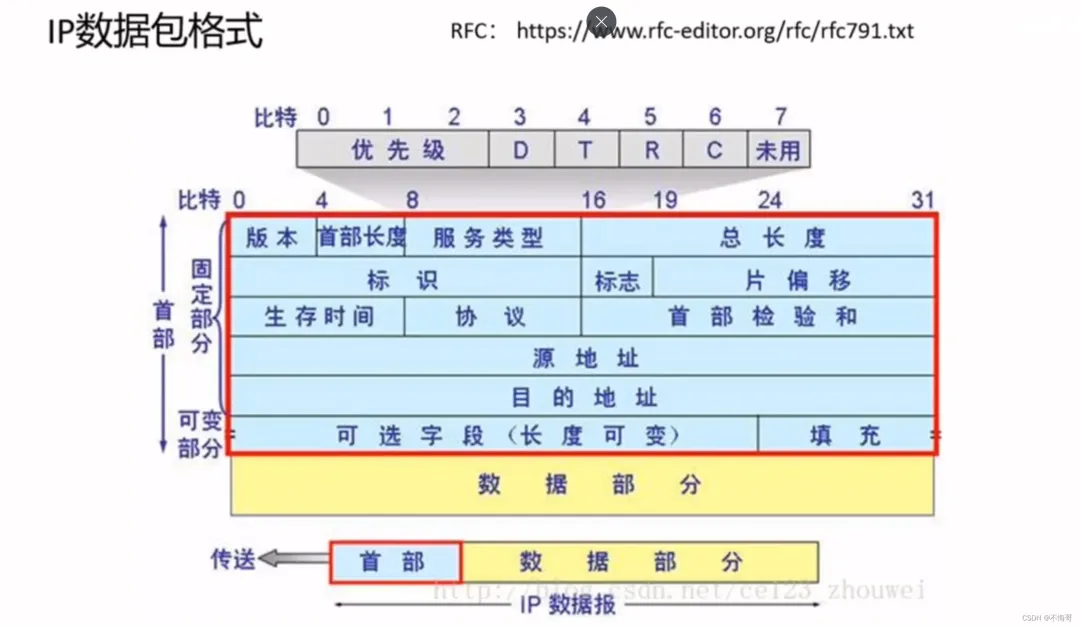 最后得到ip头+ICMP头=28字节 setsockopt函数的使用
开启IP_HDRINCL特性,我们完全自己手动构造IP报文int on = 1;`:定义了一个整型变量 `on`,并将其初始化为 1。这个变量将用于设置套接字选项,以控制是否包含 IP 头部。setsockopt(sockfd, IPPROTO_IP, IP_HDRINCL, &on, sizeof(on));`:调用了 `setsockopt` 函数,将套接字选项 `IP_HDRINCL` 设置为 `on`。这个选项的作用是控制发送的数据包中是否包含 IP 头部。当 `on` 的值为 1 时,表示发送的数据包中包含 IP 头部;当 `on` 的值为其他非零值时,表示发送的数据包中不包含 IP 头部,系统将根据目的地址自动生成 IP 头部。
Linux信号量的使用 SIGALRM信号是操作系统中的其中一个信号。他的作用是设置进程隔多久后会收到一个SIGALRM信号
#include<unistd.h>#include<stdio.h>#include<stdlib.h>#include<signal.h>voidhandle_alarm(){ exit(0); } intmain(int argc, char *argv[]){ signal(SIGALRM, handle_alarm); alarm(10); while(1) {} }
进程在10秒或10秒之后触发SIGALRM信号,然后执行信号处理函数,最后退出。
setitimer函数的使用 setitimer函数用于设置定时器,并指定定时器到期后所产生的信号行为。其函数原型如下:
#include<sys/time.h>//int setitimer(int which, const struct itimerval *new_value, struct itimerval *old_value);/*该函数接受三个参数:which:指定定时器类型,可以是以下两个值之一:ITIMER_REAL:真实时间定时器,使用系统实时时间,到期后将发送SIGALRM信号。ITIMER_VIRTUAL:虚拟时间定时器,使用进程运行时间,到期后将发送SIGVTALRM信号。ITIMER_PROF:以两者之和作为时间基准,到期后将发送SIGPROF信号。new_value:一个指向struct itimerval结构体的指针,用于指定新的定时器值(启动时间和间隔时间)。it_value字段表示定时器首次到期的时间间隔。it_interval字段表示定时器循环触发的时间间隔。old_value:一个指向struct itimerval结构体的指针,用于获取旧的定时器值,即之前设置的定时器值。如果不需要获取旧的定时器值,则可以传入NULL。调用setitimer函数后,会根据new_value所指定的定时器值来启动或修改定时器。到期后,系统会发送相应的信号,并根据信号处理机制执行相应的操作。可以使用signal函数或sigaction函数来捕获并处理定时器到期产生的信号。以下是一个示例代码,演示如何使用setitimer函数设置一个定时器:*/#include<stdio.h>#include<stdlib.h>#include<sys/time.h>#include<signal.h>voidtimer_handler(int signum){ printf("Timer expired!\n");}intmain(){ struct itimerval timer; // 设置首次触发定时器为1秒后,定时器到期后每10秒触发一次 timer.it_interval.tv_sec = 10; timer.it_interval.tv_usec = 0; timer.it_value.tv_sec = 1; timer.it_value.tv_usec = 0; // 注册信号处理函数 signal(SIGALRM, timer_handler); // 启动定时器 setitimer(ITIMER_REAL, &timer, NULL); // 死循环,等待定时器到期 while (1); return 0;}/*上述代码中,我们设置了一个定时器,其初次到期时间为1秒后,之后每10秒触发一次。当定时器到期时,会触发SIGALRM信号,并通过注册的信号处理函数timer_handler进行处理。在示例代码中,我们只是简单地打印一条信息并没有做其他处理。*/
gettimeofday:函数用于获取当前时间,包括秒数和微秒数。它的函数原型如下:
#include<sys/time.h>intgettimeofday(struct timeval *tv, struct timezone *tz);- `tv`参数是一个指向`timeval`结构体的指针,用于存储获取的时间信息。- `tz`参数是一个指向`timezone`结构体的指针,用于存储时区信息。在现代Linux系统中,通常可以将其设置为NULL,不使用时区信息`timeval`结构体定义如下:struct timeval { time_t tv_sec; // 秒 suseconds_t tv_usec; // 微秒};
#include<stdio.h>#include<sys/time.h>intmain(){ struct timeval tv; /* 获取当前时间 */ if (gettimeofday(&tv, NULL) == 0) { printf("Current time: %ld seconds, %ld microseconds\n", tv.tv_sec, tv.tv_usec); } else { perror("gettimeofday"); return 1; } return 0;}
在这个示例中,我们首先定义了一个timeval结构体变量tv,然后调用gettimeofday函数获取当前时间,并将结果打印出来。
checksum校验怎么算出来的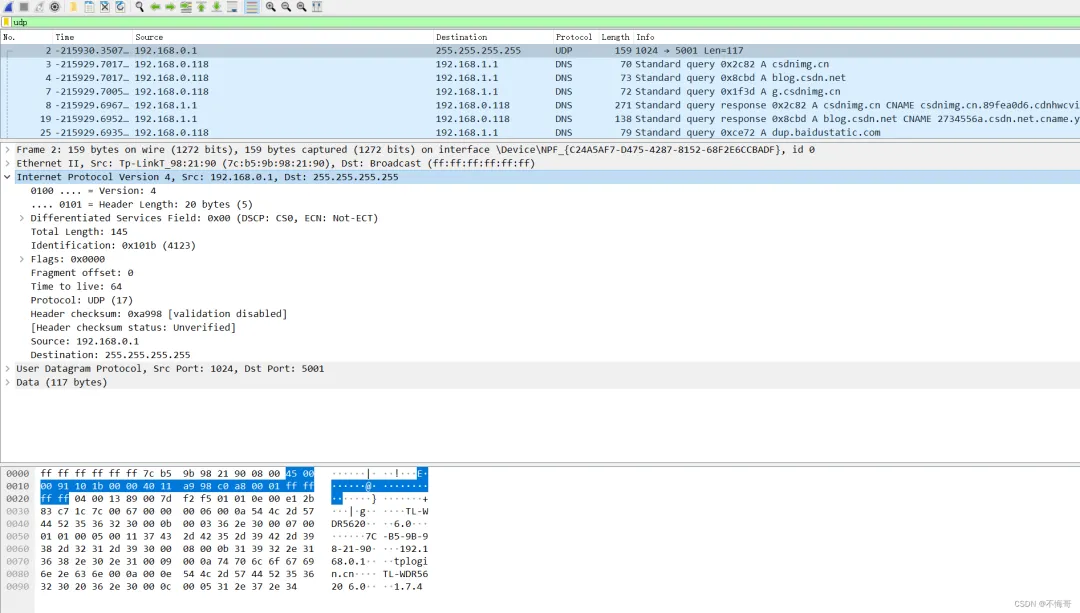 如上面,我们得到IP帧头部实际数据(十六进制):
45 00 00 91 10 1b 00 00 40 11 a9 98 c0 a8 00 01 ff ff ff ff
我们看到Wireshark分析出来的Header Checksum是0xa998,下面我们计算验证一下。 1.根据IPv4头部格式,我们知道第11和12个字节是要填写的Checksum,先把这两个字节都设置为0,得到
45 00 00 91 10 1b 00 00 40 11 00 00 c0 a8 00 01 ff ff ff ff
2.每两个字节组成一个数字,然后累加
4500 0091 101b 0000 4011 0000 c0a8 0001 ffff ffff 4500 + 0091 + 101b + 0000 + 4011 + 0000 + c0a8 + 0001 + ffff + ffff = 0x35664
3.把后面两个字节组成的数字5664 和 进位3相加,上面的 3 5664,分开两个数相加就是
3 + 5664 = 5667,一般是写成 5664 + 3 = 0x5667
4.取反,C语言用~符号
~(0x5667) = 0xa998
思路已经很清晰了,下面就是编码实现
#include<stdio.h>typedef unsigned short u_int16_t;typedef unsigned char u_int8_t;u_int16_tchecksum(u_int16_t *packet, int packlen){ /* 定义sum大小为8字节,定义小了,会累计的时候会出现位数不够 ,丢失高位的数据 */unsigned long sum = 0;//求和while (packlen > 1) { sum = sum + *(packet++); packlen = packlen - 2;}/* 因为两个字节合并unsigned short整型做计算,所以如果报文大小为奇数字节则单独加上最后一个字节的数据 */ if (packlen > 0) sum = sum + *(unsigned char *)packet;/* TODO: this depends on byte order 不理解这里写这个干嘛 *//* 如果存在溢出则截断高16位数据与低16位数据求和,如sum=0x386B6 则sum=0x86B6 + 0x3 */while (sum >> 16) sum = (sum & 0xffff) + (sum >> 16);/* sum取反码,转为2个字节,不然会把高位的ffff这些都输出了 */return (u_int16_t)~sum;}intmain(int argc, char *argv[]){ int i = 0; int j = 0; unsigned short checksumvalue[20]; unsigned char bytes[] = { 0xa4, 0xae, 0x11, 0x17, 0x49, 0xe7, 0xf4, 0xde, 0xaf, 0xed, 0xd0, 0x15, 0x08, 0x00, 0x45, 0x00, 0x00, 0x91, 0x10, 0x1b, 0x00, 0x00, 0x40, 0x11, 0xa9, 0x98, 0xc0, 0xa8, 0x00, 0x01, 0xff, 0xff, 0xff, 0xff, 0x01, 0xbb, 0xe3, 0xa6, 0x6a, 0xd5, 0x1e, 0x6b, 0x56, 0xc1, 0x3f, 0xc3, 0x80, 0x12, 0xfa, 0xf0, 0x0c, 0xae, 0x00, 0x00, 0x02, 0x04, 0x05, 0xac, 0x01, 0x03, 0x03, 0x08, 0x01, 0x01, 0x04, 0x02 }; printf("合并后的值:\n"); /* 从0x45到0xff每两个字节合并为一个十六进制数 */ for (i = 14; i < 33; i += 2) { checksumvalue[j] = (bytes[i] << 8) | bytes[i+1]; printf("0x%04x\n", checksumvalue[j]); j++; } /* 把第11,12字节合并后的数据0xa998, 即数组里面的checksumvalue[5] 置为0 */ checksumvalue[5] = 0; u_int16_t ip_checksum = checksum(checksumvalue, 20);printf("ip checksum: 0x%04x\n", ip_checksum); return 0;}
运行结果如下: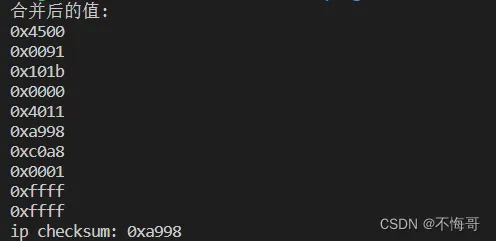
完整代码如下:
#define ICMP_ECHOREPLY 0 /* Echo应答*/#define ICMP_ECHO /*Echo请求*/#define BUFSIZE 1500 /*发送缓存最大值*/#define DEFAULT_LEN 56 /**ping消息数据默认大小/ /*数据类型别名*/ typedef unsigned char u8; typedef unsigned short u16; typedef unsigned int u32; /*ICMP消息头部*/ struct icmphdr { u8 type; /*定义消息类型*/ u8 code; /*定义消息代码*/ u16 checksum; /*定义校验*/ union{ struct{ u16 id; u16 sequence; }echo; u32 gateway; struct{ u16 unsed; u16 mtu; }frag; /*pmtu实现*/ }un; /*ICMP数据占位符*/ u8 data[0]; #define icmp_id un.echo.id #define icmp_seq un.echo.sequence }; #define ICMP_HSIZE sizeof(struct icmphdr) /*定义一个IP消息头部结构体*/ struct iphdr { u8 hlen:4, ver:4; /*定义4位首部长度,和IP版本号为IPV4*/ u8 tos;/*8位服务类型TOS*/ u16 tot_len;/*16位总长度*/ u16 id;/*16位标志位*/ u16 frag_off;/*3位标志位*/ u8 ttl;/*8位生存周期*/ u8 protocol;/*8位协议*/ u16 check;/*16位IP首部校验和*/ u32 saddr;/*32位源IP地址*/ u32 daddr;/*32位目的IP地址*/ }; char *hostname;/*被ping的主机名*/ int datalen = DEFAULT_LEN; /*ICMP消息携带的数据长度*/ char sendbuf[BUFSIZE]; /*发送字符串数组*/ char recvbuf[BUFSIZE]; /*接收字符串数组*/ int nsent;/*发送的ICMP消息序号*/ int nrecv;/*接收的ICMP消息序号*/ pid_t pid;/*ping程序的进程PID*/ struct timeval recvtime; /*收到ICMP应答的时间戳*/ int sockfd;/*发送和接收原始套接字*/ struct sockaddr_in dest; /*被ping的主机IP*/ struct sockaddr_in from; /*发送ping应答消息的主机IP*/ struct sigaction act_alarm; struct sigaction act_int; /*函数原型*/ voidalarm_handler(int);/*SIGALRM处理程序*/ voidint_handler(int);/*SIGINT处理程序*/ voidset_sighandler();/*设置信号处理程序*/ voidsend_ping();/*发送ping消息*/ voidrecv_reply();/*接收ping应答*/ u16 checksum(u8 *buf, int len); /*计算校验和*/ inthandle_pkt();/*ICMP应答消息处理*/ voidget_statistics(int, int); /*统计ping命令的检测结果*/ voidbail(constchar *);/*错误报告*/
#include<stdio.h>#include<stdlib.h>#include<sys/time.h>/*是Linux系统的日期时间头文件*/#include<unistd.h>/* 是POSIX标准定义的unix类系统定义符号常量的头文件,包含了许多UNIX系统服务的函数原型,例如read函数、write函数和getpid函数*/#include<string.h>#include<sys/socket.h>/*对与引用socket函数必须*/#include<sys/types.h>#include<netdb.h>/*定义了与网络有关的结构,变量类型,宏,函数。函数gethostbyname()用*/#include<errno.h>/*sys/types.h中文名称为基本系统数据类型*/#include<arpa/inet.h>/*inet_ntoa()和inet_addr()这两个函数,包含在 arpa/inet.h*/#include<signal.h>/*进程对信号进行处理*/#include<netinet/in.h>/*互联网地址族*/#include"test.h"#define IP_HSIZE sizeof(struct iphdr) /*定义IP_HSIZE为ip头部长度*/#define IPVERSION 4 /*定义IPVERSION为4,指出用ipv4*//*设置的时间是一个结构体,倒计时设置,重复倒时,超时值设为1秒*/ struct itimerval val_alarm = {.it_interval.tv_sec = 1, .it_interval.tv_usec = 0, .it_value.tv_sec = 0, .it_value.tv_usec = 1 }; /*argc表示隐形程序命令行中参数的数目,argv是一个指向字符串数组指针,其中每一个字符对应一个参数*/intmain(int argc,char **argv){ struct hostent*host; /*该结构体属于include<netdb.h>*/ int on = 1; if( argc < 2)/*判断是否输入了地址*/ { printf("Usage: %s hostname\n",argv[0]); exit(1); } /*gethostbyname()返回对应于给定主机名的包含主机名字和地址信息的结构指针,*/ //if((host = getaddrinfo(argv[1])) == NULL) if((host = gethostbyname(argv[1])) == NULL){ printf("usage:%s hostname/IP address\n", argv[0]);exit(1); } hostname = argv[1];/*取出地址名*/ memset(&dest,0,sizeof dest);/*将dest中前sizeof(dest)个字节替换为0并返回s,此处为初始化,给最大内存清零*/ dest.sin_family=PF_INET;/*PF_INET为IPV4,internet协议,在<netinet/in.h>中,地址族*/ dest.sin_port=ntohs(0);/*端口号,ntohs()返回一个以主机字节顺序表达的数。*/ dest.sin_addr=*(struct in_addr *)host->h_addr_list[0];/*host->h_addr_list[0]是地址的指针.返回IP地址,初始化*/ /*PF_INEI套接字协议族,SOCK_RAW套接字类型,IPPROTO_ICMP使用协议, 调用socket函数来创建一个能够进行网络通信的套接字。这里判断是否创建成功*/ if((sockfd = socket(PF_INET, SOCK_RAW, IPPROTO_ICMP)) < 0){ perror("RAW socket created error"); exit(1); } /*设置当前套接字选项特定属性值,sockfd套接字,IPPROTO_IP协议层为IP层, IP_HDRINCL套接字选项条目,套接字接收缓冲区指针,sizeof(on)缓冲区长度的长度*/ setsockopt(sockfd, IPPROTO_IP, IP_HDRINCL, &on, sizeof(on)); /*getuid()函数返回一个调用程序的真实用户ID,setuid()是让普通用户 可以以root用户的角色运行只有root帐号才能运行的程序或命令。*/ //setuid(getuid()); //pid = getpid(); /*getpid函数用来取得目前进程的进程识别码*/ set_sighandler();/*对信号处理*/ printf("Ping %s(%s): %d bytes data in ICMP packets.\n", argv[1], inet_ntoa(dest.sin_addr), datalen); //alarm(1);if((setitimer(ITIMER_REAL, &val_alarm, NULL)) == -1) /*定时函数*/ { bail("setitimer fails."); } recv_reply(); /*接收ping应答*/ return 0; } /*发送ping消息*/ voidsend_ping(void){ struct iphdr*ip_hdr; /*iphdr为IP头部结构体*/ struct icmphdr*icmp_hdr; /*icmphdr为ICMP头部结构体*/ int len; int len1; /*ip头部结构体变量初始化*/ ip_hdr=(struct iphdr *)sendbuf; /*字符串指针*/ ip_hdr->hlen=sizeof(struct iphdr)>>2; /*头部长度*/ ip_hdr->ver=IPVERSION; /*版本*/ ip_hdr->tos=0; /*服务类型*/ ip_hdr->tot_len=IP_HSIZE+ICMP_HSIZE+datalen; /*报文头部加数据的总长度*/ ip_hdr->id=0; /*初始化报文标识*/ ip_hdr->frag_off=0; /*设置flag标记为0*/ ip_hdr->protocol=IPPROTO_ICMP;/*运用的协议为ICMP协议*/ ip_hdr->ttl=255; /*一个封包在网络上可以存活的时间*/ ip_hdr->daddr=dest.sin_addr.s_addr; /*目的地址*/ len1=ip_hdr->hlen<<2; /*ip数据长度*/ /*ICMP头部结构体变量初始化*/ icmp_hdr=(struct icmphdr *)(sendbuf+len1); /*字符串指针*/ icmp_hdr->type=8; /*初始化ICMP消息类型type*/ icmp_hdr->code=0; /*初始化消息代码code*/ icmp_hdr->icmp_id=pid; /*把进程标识码初始给icmp_id*/ icmp_hdr->icmp_seq=nsent++; /*发送的ICMP消息序号赋值给icmp序号*/ memset(icmp_hdr->data,0xff,datalen); /*将datalen中前datalen个字节替换为0xff并返回icmp_hdr-dat*/ gettimeofday((struct timeval *)icmp_hdr->data,NULL); /* 获取当前时间*/ len=ip_hdr->tot_len; /*报文总长度赋值给len变量*/ icmp_hdr->checksum=0; /*初始化*/ icmp_hdr->checksum=checksum((u8 *)icmp_hdr,len); /*计算校验和*/ sendto(sockfd,sendbuf,len,0,(struct sockaddr *)&dest,sizeof (dest)); /*经socket传送数据*/ } /*接收程序发出的ping命令的应答*/ voidrecv_reply(){ int n; int len; int errno; n = 0; nrecv = 0; len = sizeof(from); /*发送ping应答消息的主机IP*/ while(nrecv < 6){ /*经socket接收数据,如果正确接收返回接收到的字节数,失败返回0.*/if((n=recvfrom(sockfd, recvbuf, sizeof(recvbuf), 0, (struct sockaddr *)&from, &len))<0){ if(errno==EINTR) /*EINTR表示信号中断*/ continue; bail("recvfrom error"); } gettimeofday(&recvtime, NULL); /*记录收到应答的时间*/ if(handle_pkt()) /*接收到错误的ICMP应答信息*/ continue; nrecv++; } //get_statistics(nsent, nrecv); /*统计ping命令的检测结果*/ } /*计算校验和*/ u16 checksum(u8 *buf,int len){ u32 sum = 0; u16 *cbuf; cbuf = (u16 *)buf; while(len > 1){ sum += *cbuf++; len -= 2; } if(len){ sum += *(u8 *)cbuf; } sum = (sum >> 16) + (sum & 0xffff); sum += (sum >> 16); return ~sum; } /*ICMP应答消息处理*/ inthandle_pkt(){ struct iphdr*ip; struct icmphdr*icmp; int ip_hlen; u16 ip_datalen; /*ip数据长度*/ double rtt; /* 往返时间*/ struct timeval*sendtime; ip = (struct iphdr *)recvbuf; ip_hlen = ip->hlen << 2; ip_datalen = ntohs(ip->tot_len) - ip_hlen; icmp = (struct icmphdr *)(recvbuf + ip_hlen); if(checksum((u8 *)icmp, ip_datalen)) /*计算校验和*/ return -1; if(icmp->icmp_id != pid) return -1; sendtime = (struct timeval *)icmp->data; /*发送时间*/ rtt = ((&recvtime)->tv_sec - sendtime->tv_sec) * 1000 + ((&recvtime)->tv_usec - sendtime->tv_usec)/1000.0; /* 往返时间*/ /*打印结果*/ printf("%d bytes from %s:icmp_seq=%u ttl=%d rtt=%.3f ms\n", \ ip_datalen,/*IP数据长度*/ inet_ntoa(from.sin_addr), /*目的ip地址*/ icmp->icmp_seq,/*icmp报文序列号*/ ip->ttl,/*生存时间*/ rtt);/*往返时间*/ return 0; } /*设置信号处理程序*/ voidset_sighandler(){ act_alarm.sa_handler = alarm_handler; /*sigaction()会依参数signum指定的信号编号来设置该信号的处理函数。参数signum指所要捕获信号或忽略的信号, &act代表新设置的信号共用体,NULL代表之前设置的信号处理结构体。这里判断对信号的处理是否成功。*/ if(sigaction(SIGALRM, &act_alarm, NULL) == -1) {bail("SIGALRM handler setting fails."); } act_int.sa_handler = int_handler; if(sigaction(SIGINT, &act_int, NULL) == -1) {bail("SIGALRM handler setting fails."); }} /*统计ping命令的检测结果*/ voidget_statistics(int nsent,int nrecv){ printf("--- %s ping statistics ---\n",inet_ntoa(dest.sin_addr)); /*将网络地址转换成“.”点隔的字符串格式。*/ printf("%d packets transmitted, %d received, %0.0f%% ""packet loss\n", \ nsent,nrecv,1.0*(nsent-nrecv)/nsent*100); } /*错误报告*/ voidbail(constchar * on_what){ /*:向指定的文件写入一个字符串(不写入字符串结束标记符‘\0’)。成功写入一个字符串后, 文件的位置指针会自动后移,函数返回值为0;否则返回EOR(符号常量,其值为-1)。*/ fputs(strerror(errno),stderr); fputs(":",stderr); fputs(on_what,stderr); fputc('\n',stderr); /*送一个字符到一个流中*/ exit(1); } /*SIGINT(中断信号)处理程序*/ voidint_handler(int sig){ printf("Timer123 expired!\n"); get_statistics(nsent,nrecv); /*统计ping命令的检测结果*/ close(sockfd); /*关闭网络套接字*/ exit(1); } /*SIGALRM(终止进程)处理程序*/ voidalarm_handler(int signo){ send_ping(); /*发送ping消息*/ }
运行结果: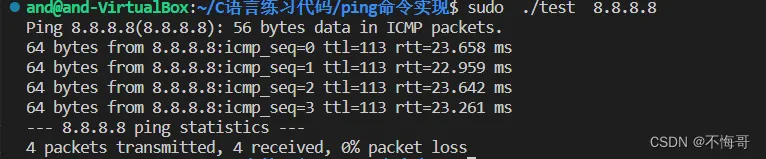
 10个月宝宝每天需要喝多少奶粉?