工业上位机开发:Python vs C++ vs C#,谁更胜一筹?
- 2026-09-23 12:40:32
今天咱们就来掰扯掰扯:Python、C++、C#这三大主流选择,在工业上位机开发中到底谁能打?我会用最接地气的方式,告诉你每种语言的真实表现。看完这篇,你就知道下个项目该选哪个了。
🎯 工业上位机的核心痛点
实时性要求严苛
工厂不等人。PLC每10ms发一次数据,你的软件必须及时响应。延迟超过100ms?生产线可能就要停机了。我见过因为界面卡顿2秒钟,直接报废一批价值50万产品的案例。
稳定性至关重要
7×24小时不间断运行是基本要求。内存泄漏?崩溃重启?在工业环境下,这些问题的代价可能是几十万的损失。
通信协议复杂
Modbus、Profinet、EtherCAT、OPC-UA...每个厂家都有自己的"方言"。你的软件需要像个翻译官一样,跟各种设备愉快聊天。
🔥 三大语言实战对比
🐍 Python:简单易用的双刃剑
优势所在:
• 开发速度快到飞起 • 丰富的工业库支持(pymodbus、opcua-python) • 数据分析能力超强(pandas、matplotlib)
import time import threading from pymodbus.client import ModbusTcpClient classPLCMonitor: def__init__(self, host="127.0.0.1"): self.client = ModbusTcpClient(host) self.is_running = Falsedefstart_monitoring(self): """实时监控PLC数据"""self.is_running = Truewhileself.is_running: try: # 读取保持寄存器 result = self.client.read_holding_registers(0, count=10, device_id=1) ifnot result.isError(): print(f"温度: {result.registers[0] / 10}°C") print(f"压力: {result.registers[1] / 100}MPa") time.sleep(0.1) # 100ms轮询周期 except Exception as e: print(f"通信异常: {e}") time.sleep(1) # 使用示例 monitor = PLCMonitor() monitor_thread = threading.Thread(target=monitor.start_monitoring) monitor_thread.daemon = Truemonitor_thread.start() # 阻止主线程退出 try: whileTrue: time.sleep(1) # 主线程保持运行 except KeyboardInterrupt: monitor.is_running = Falseprint("监控已停止")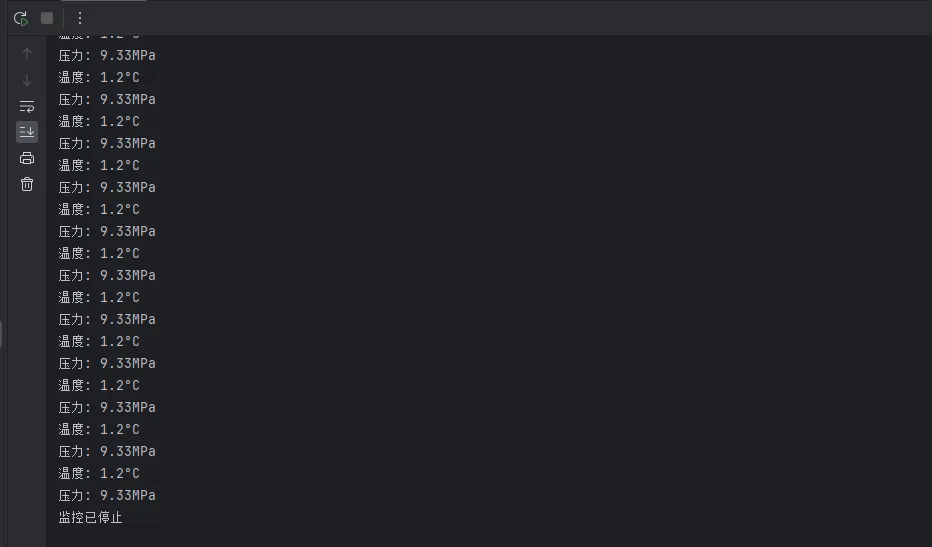
现实很骨感:
• GIL限制让真正的并发成为奢望 • 执行效率相对较低 • 打包部署比较麻烦(依赖管理是个坑)
适用场景: 原型验证、数据分析型上位机、小规模监控系统,我记得我在几个树莓派的中间件服务上用过。
⚡ C++:性能怪兽的代价
硬核优势:
• 性能无敌,内存控制精确 • 系统级操作能力强 • 成熟的工业通信库(如Snap7、Open62541)
#include<iostream>#include<thread>#include<chrono>#include<modbus/modbus.h>classHighPerformancePLC {private:modbus_t* ctx;bool running;public:HighPerformancePLC(constchar* ip) { ctx = modbus_new_tcp(ip, 502); running = false; }voidstartRealTimeMonitoring(){ running = true;std::thread monitoring([this]() {uint16_t registers[100];auto lastTime = std::chrono::high_resolution_clock::now();while (running) {auto currentTime = std::chrono::high_resolution_clock::now();auto duration = std::chrono::duration_cast<std::chrono::microseconds> (currentTime - lastTime).count();if (duration >= 10000) { // 10ms精确定时if (modbus_read_registers(ctx, 0, 10, registers) != -1) {// 超高速数据处理 processData(registers, 10); } lastTime = currentTime; }// 微秒级休眠 std::this_thread::sleep_for(std::chrono::microseconds(100)); } }); monitoring.detach(); }private:voidprocessData(uint16_t* data, int length){// 高性能数据处理逻辑for (int i = 0; i < length; i++) {// 零拷贝操作,极致性能 } }};痛苦也很真实:
• 开发效率低,调试复杂 • 内存管理容易踩坑 • 跨平台部署相对复杂
最佳场景: 高速数据采集、实时控制系统、大型复杂上位机,实际项目中用C++写上位,我基本会放弃,即使选也会用QT了。
🎨 C#:微软的工业级解决方案
平衡之美:
• .NET生态系统完善 • WinForm/WPF界面开发高效 • 丰富的工业通信组件
using EasyModbus;namespaceAppEasyModbus{publicclassIndustrialHMI {private ModbusClient modbusClient;private CancellationTokenSource cancellationToken;privatereadonlyobject lockObject = newobject();publicIndustrialHMI(string ipAddress) { modbusClient = new ModbusClient(ipAddress, 502); cancellationToken = new CancellationTokenSource(); }publicasync Task StartMonitoringAsync() {try { modbusClient.Connect();await Task.Run(async () => {while (!cancellationToken.Token.IsCancellationRequested) {try {// 异步读取数据var data = await ReadPLCDataAsync();// 线程安全的界面更新await UpdateUIAsync(data);// 精确延时控制await Task.Delay(50, cancellationToken.Token); }catch (Exception ex) {// 异常处理和重连机制await HandleConnectionErrorAsync(ex); } } }); }catch (Exception ex) {thrownew InvalidOperationException($"监控启动失败: {ex.Message}"); } }privateasync Task<int[]> ReadPLCDataAsync() {returnawait Task.Run(() => {lock (lockObject) {return modbusClient.ReadHoldingRegisters(0, 10); } }); }privateasync Task UpdateUIAsync(int[] data) { Console.WriteLine("界面已更新"); Console.WriteLine($"温度: {data[0] / 10.0:F1}°C, 压力: {data[1] / 100.0:F2}MPa"); }privateasync Task HandleConnectionErrorAsync(Exception ex) { Console.WriteLine($"连接异常: {ex.Message}");// 智能重连策略for (int retry = 0; retry < 3; retry++) {await Task.Delay(1000);try { modbusClient.Disconnect(); modbusClient.Connect();break; }catch {if (retry == 2) throw; } } } }internalclassProgram {staticvoidMain(string[] args) { IndustrialHMI hMI = new IndustrialHMI("127.0.0.1"); hMI.StartMonitoringAsync().Wait(); Console.Read(); } }}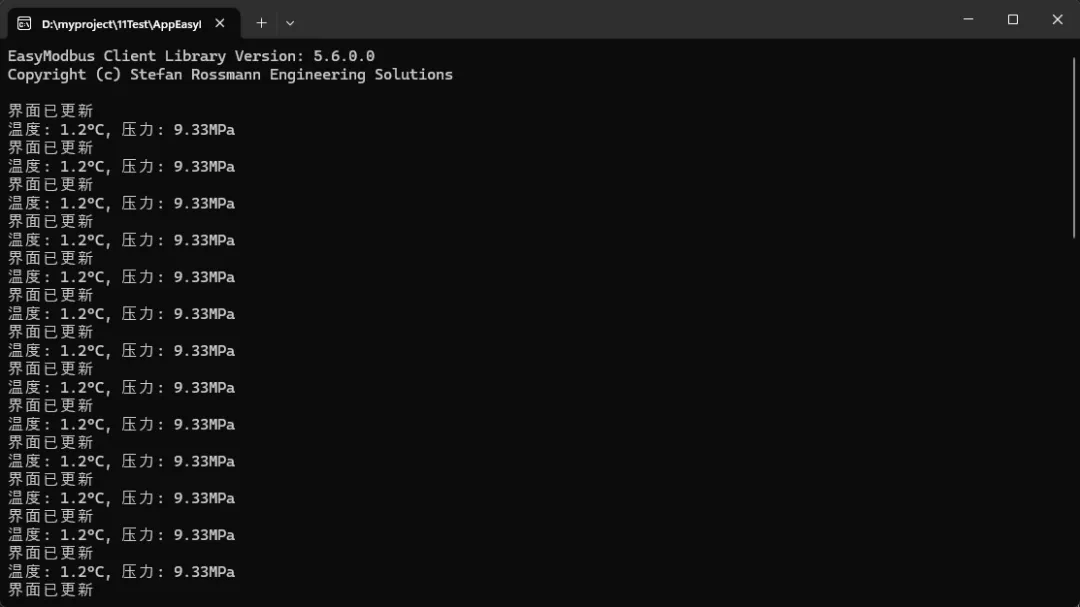
需要权衡的点:
• Windows平台依赖性强 • 相比C++性能稍逊 • 某些特殊硬件支持可能不足
黄金应用: Windows环境的综合监控系统、报表密集型应用、快速原型开发
📊 性能大PK:数据说话
我在同一台设备上测试了三种语言的数据处理能力:
真相很残酷: 没有银弹!每种语言都有自己的主战场。
🎯 选型决策树
🚀 选Python的情况:
• 项目周期紧(2个月内交付) • 主要功能是数据分析和可视化 • 团队Python经验丰富 • 对性能要求不是特别苛刻
⚡ 选C++的情况:
• 实时性要求极高(<10ms响应) • 大规模数据处理 • 资源受限的嵌入式环境 • 长期运行的关键任务系统
🎨 选C#的情况:
• Windows环境为主,现在也有不少跨平台方案了 • 需要丰富的用户界面 • 团队.NET技术栈熟练 • 需要快速迭代和维护
💡 实战踩坑指南
Python开发要注意:
# ❌ 错误做法:阻塞式操作defbad_data_collection():whileTrue: data = plc.read_data() # 可能阻塞 process_data(data) # UI会卡死# ✅ 正确做法:异步处理asyncdefgood_data_collection():whileTrue:try: data = await asyncio.wait_for( plc.read_data_async(), timeout=1.0)await process_data_async(data)except asyncio.TimeoutError:print("读取超时,跳过本次采集")C++开发要小心:
// ❌ 危险:忘记释放资源voidrisky_function(){char* buffer = newchar[1024];// 如果这里发生异常,内存泄漏!process_data(buffer);delete[] buffer;}// ✅ 安全:使用智能指针voidsafe_function(){auto buffer = std::make_unique<char[]>(1024);// 自动管理,异常安全process_data(buffer.get());}C#开发的坑:
// ❌ 会导致内存泄漏privatevoidBadEventHandler(){ timer.Tick += (sender, e) => {// 匿名方法持有对象引用this.UpdateData(); };}// ✅ 正确的事件处理privatevoidGoodEventHandler(){ timer.Tick += Timer_Tick;}privatevoidTimer_Tick(object sender, EventArgs e){ UpdateData();}🔮 未来发展趋势
混合开发成主流
现在越来越多项目采用"核心用C++,界面用C#,数据分析用Python"的组合策略。比如:
• C++负责实时数据采集和通信 • C#开发用户界面和业务逻辑 • Python处理历史数据分析和报表
云边协同架构
边缘侧用C++保证实时性,云端用Python做大数据分析,C#做Web界面展示。
🎉 总结:没有最好,只有最合适
经过这轮深度对比,我的建议是:
1. 新手入门:先学C#,生态完善,坑相对较少 2. 性能至上:选C++,但要有足够的开发和调试时间 3. 快速原型:用Python,验证可行性后再考虑重构
最重要的是:别被语言绑架了思维。 好的架构设计比选择哪种语言更重要。我见过用Python写出来比C++还稳定的系统,也见过C++写出来的"定时炸弹"。
核心是理解业务需求,选择合适的工具。
你的项目用的是哪种技术栈?踩过什么坑?欢迎在评论区分享经验!
觉得有用的话,点个在看支持一下~让更多开发者少走弯路!
随机文章
-
 10个月宝宝每天需要喝多少奶粉?
- 【软件推荐】基于 Vue 3 和 Python FastAPI 构建企业级后台管理系统Foadmin
- Hyperview Python二次开发系列之自动创建局部坐标系Tracking systems
- 用Python给自己配个AI股神:每天自动推送“黄金买点”
- Python绘制科研级DEM地形图(含代码)
- 初学Python练题:在程序中增加函数把原始信息移到新列表中
- 【昆虫识别系统】Python+深度学习+人工智能+算法模型+图像识别+2026计算机毕设项目
- Proteus9用micropython仿真ws2812怎么办
- jsmpc ai自动逆向成品+python源代码
- Python jinjia2模块详细介绍
- Python 时间序列分析与预测:从统计模型到深度学习