练习1
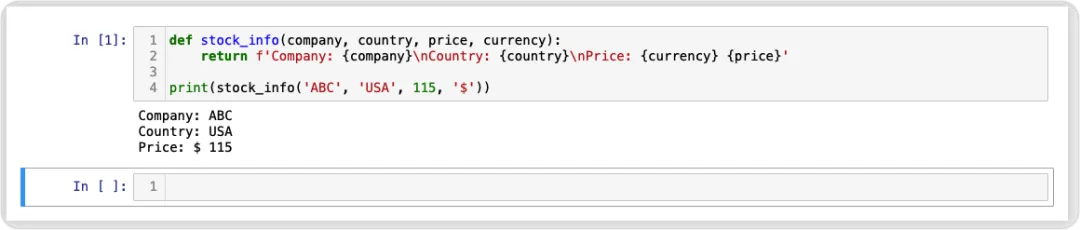
定义了stock_info()函数。使用stock_info()函数的适当属性,在控制台显示该函数所有参数的名称。print(stock_info('ABC', 'USA', 115, '$'))
Company: ABCCountry: USAPrice: $ 115
('company', 'country', 'price', 'currency')
def stock_info(company, country, price, currency): return f'Company: {company}\nCountry: {country}\nPrice: {currency}{price}'
练习2
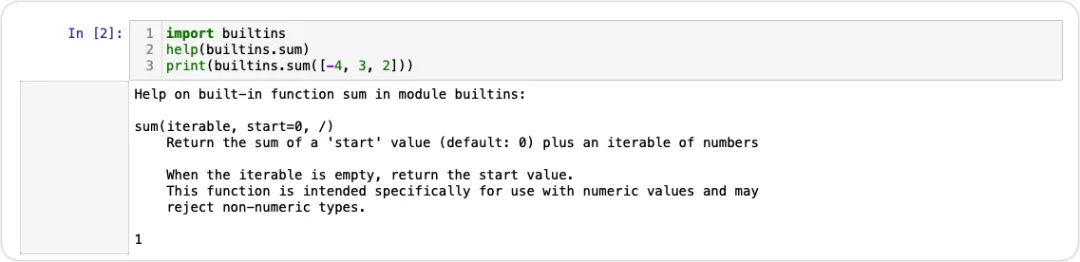
使用内置模块导入sum()函数。然后显示该函数的文档。在以下列表上调用该函数并将结果打印到控制台。 预期结果: Help on built-in function sum in module builtins:sum(iterable, /, start=0) Return the sum of a 'start' value (default: 0) plus an iterable of numbers When the iterable is empty, return the start value. This function is intended specifically for use with numeric values and may reject non-numeric types.1
import builtinshelp(builtins.sum)print(builtins.sum([-4, 3, 2]))
练习3
给定一个全局变量counter和一个实现不正确的update_counter()函数。请更正update_counter()函数的实现,以便可以从此函数修改counter变量。然后调用update_counter()函数。counter = 1def update_counter(): global counter counter += 1 print(counter)
练习4
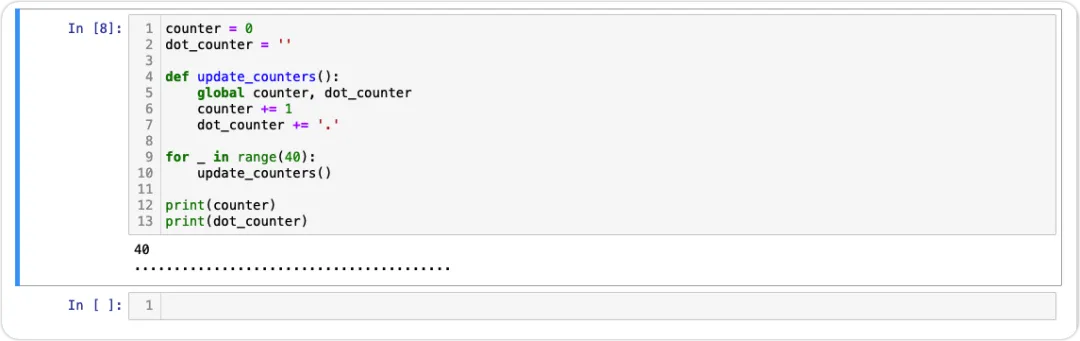
以及实现不正确的update_counters()函数。请更正update_counters()函数的实现,以便可以从此函数修改给定全局变量的值。然后调用update_counters() 40次。作为响应,按如下所示将counter和dot_counter全局变量的值打印到控制台。40........................................
counter = 0dot_counter = ''def update_counters(): global counter, dot_counter counter += 1 dot_counter += '.'
练习5
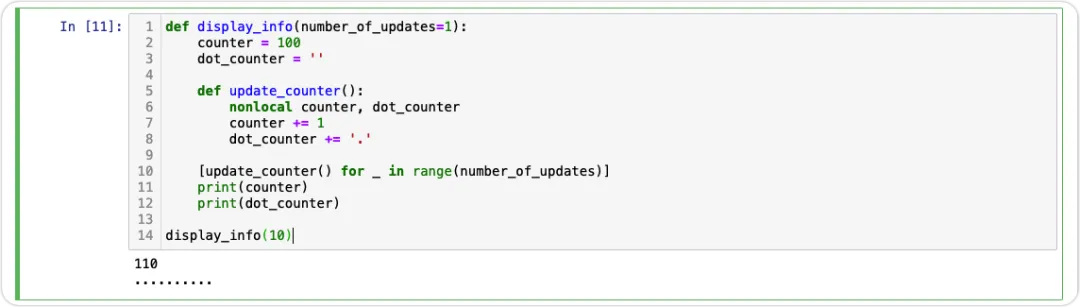
实现了display_info()函数。该函数有一个实现不正确的内部update_counter()函数。请更正此函数的实现,以便可以从内部函数update_counter()修改非局部变量:counter和dot_counter。作为响应,使用number_of_updates参数设置为10来调用display_info()。def display_info(number_of_updates=1): counter = 100 dot_counter = '' def update_counter(): nonlocal counter, dot_counter counter += 1 dot_counter += '.' [update_counter() for _ in range(number_of_updates)] print(counter) print(dot_counter)

 10个月宝宝每天需要喝多少奶粉?