When Code and Hemlines Coexist: Behind a Programmer’s Cross-dressing Talk Lies a Quiet Advance in Social Inclusion
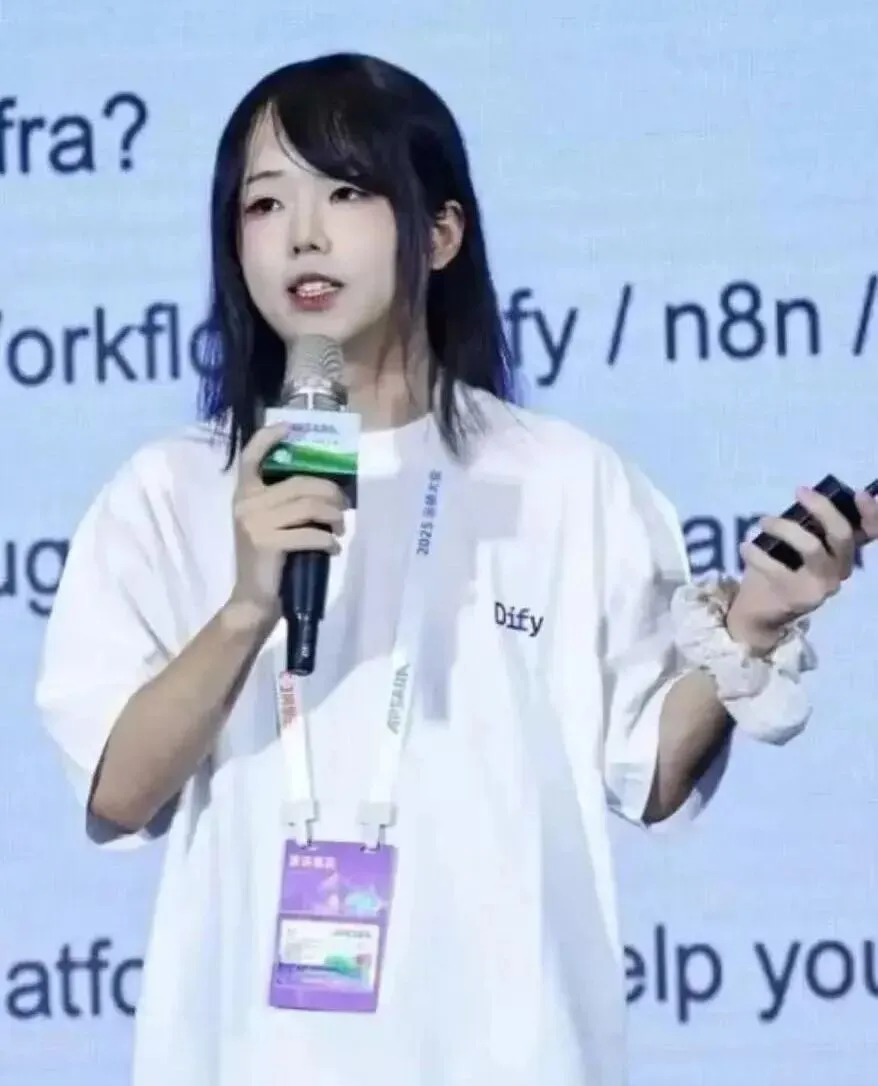
2026年1月的云栖大会AI分论坛上,聚光灯投向演讲台时,全场陷入短暂的寂静。一位身着YOMI品牌“庐州月”风格连衣裙的演讲者缓步登台,飘逸的长发垂至肩头,二次元粉毛头像同款的发型精致柔和,眉眼间透着日系少女的温婉,修身的裙摆勾勒出流畅曲线——若不是低沉的男声响起,分享起《AI基础设施风险治理实践》的硬核技术内容,在场几乎无人能察觉,这位看似柔美的“女士”,实则是Dify工程副总裁、资深后端工程师周宇。这场打破刻板印象的演讲,随后在掘金、GitHub等技术社群及社交平台疯传,引发全网热议,但不同于过往类似事件的尖锐争议,主流声音里满是包容与调侃,这份温和的接纳,正是当代社会悄然进步的生动注脚。
At the AI subforum of the Yunqi Conference in January 2026, the lights fell on the stage and the room went quiet. A speaker in a YOMI “Luzhou Moon” dress walked on slowly — long, flowing hair to the shoulders, a soft, anime-style pink hairstyle like their avatar, delicate, almost J-style features, and a fitted skirt that traced smooth lines. Had it not been for the deep male voice that began to discuss “Risk Governance Practices for AI Infrastructure,” few in the audience would have noticed that this seemingly feminine “lady” was actually Zhou Yu, Dify’s VP of Engineering and a senior backend engineer. The talk—an image-breaking moment—quickly went viral across tech communities like Juejin and GitHub and on social media. Unlike past incidents that sparked sharp backlash, the dominant reactions were acceptance and playful teasing; that gentle reception is itself a vivid sign of quiet social progress.
反差之外:从“猎奇围观”到“平常心接纳”的舆论转向
Beyond the Contrast: Public Opinion Shifting from Curious Spectacle to Casual Acceptance
长久以来,程序员群体被牢牢贴上“格子衫、双肩包、不修边幅”的刻板标签,男性占绝对主导的行业特性,更让“阳刚、务实、寡言”成为大众对技术从业者的固有认知。而周宇的登台,以极致的反差打破了这份固化印象:YOMI连衣裙的细腻质感与代码的冰冷逻辑碰撞,二次元少女发型与工程师的专业身份交织,开口前的柔美外形与开口后的低沉嗓音形成强烈反差,网友直言“开口跪”,戏称“挺好一姑娘,可惜会说话”。
For a long time, programmers have been stereotyped as plaid shirts, backpacks, and a scruffy look; the male-dominated nature of the field has reinforced an image of technicians as rugged, pragmatic, and taciturn. Zhou Yu’s appearance shattered that fixed image through extreme contrast: the delicate texture of a YOMI dress against the cold logic of code; an anime-girl hairstyle worn by a professional engineer; the soft outward look followed by a resonant, low voice when he spoke. Netizens said they were blown away and even joked, “What a lovely girl—if only she couldn’t talk.”
这场演讲迅速出圈,本质上带着天然的话题性——程序员圈流传近十年的“穿女装写代码BUG少”的玩笑梗,终于有了“官方认证”的现实版本,“三流码农写UI,二流码农写架构,一流码农写算法,顶级码农穿女装”的戏谑分级,也因这场演讲被赋予了新的内涵。但舆论的走向,却并未陷入过往“猎奇式批判”的窠臼。社交平台上,讨论的核心从未停留在“男性穿女装是否合适”的道德评判,更多是对反差感的轻松调侃、对穿搭审美的善意讨论,以及对其技术实力的认可:有人羡慕其精准驾驭YOMI女装的气质,有人调侃“技术水平和二次元浓度成正比”,更有人认真梳理他演讲中的技术干货,直言“穿搭是个人选择,实力才是硬通货”。
The talk went viral partly because it was inherently provocative—the decade-old programmer joke that “wearing women’s clothes leads to fewer coding bugs” suddenly had an “official” real-world example. The tongue-in-cheek ranking—“third-rate coders write UIs, second-rate write architecture, first-rate write algorithms, top coders wear women’s clothes”—gained a new layer of meaning. Yet public discourse did not fall into the old trap of sensational condemnation. Online conversations rarely centered on moralizing whether men should wear women’s clothes; they mostly featured lighthearted banter about the contrast, friendly discussions of styling, and, importantly, acknowledgement of his technical ability. Some admired how well he carried the YOMI dress; others joked that “technical skill correlates with anime devotion”; and many seriously unpacked the technical substance of his talk, saying bluntly, “Clothes are a personal choice—skill is the real currency.”
这种转变并非偶然。回溯几年前,类似的性别表达突破往往伴随着尖锐争议:男性穿女装会被贴上“怪异”“博眼球”“违背常规”的标签,甚至遭遇网络暴力与职业歧视。而如今,当周宇以女装登台,即便有少数声音质疑“专业场合应保持严肃着装”,也很快被“着装自由不应绑架专业”“只要不影响工作,穿什么都是个人权利”的声音覆盖。数据显示,2023至2026年间,Z世代程序员中,68%会在社交平台展示非传统技术人形象,这种对多元表达的接纳,正在从年轻群体向整个社会蔓延,从亚文化圈层走向大众视野。
This shift didn’t happen by accident. A few years back, gender-expression breakthroughs typically provoked sharp controversy: men in women’s clothing were labeled “weird,” “attention-seeking,” or “against the norm,” and sometimes faced online abuse or career discrimination. Today, when Zhou Yu appeared in women’s dress, even the minority who argued that “professional settings should maintain serious attire” were quickly outnumbered by voices saying “dress freedom shouldn’t be conflated with professionalism” and “as long as work isn’t affected, what you wear is your right.” Data show that between 2023 and 2026, 68% of Gen-Z programmers displayed non-traditional “tech person” images on social media—acceptance of diverse expression is spreading from younger cohorts into wider society, moving from subcultural corners into the mainstream.
包容之下:社会性别观念的渐进式变革
Underneath the Acceptance: A Gradual Shift in Social Gender Concepts
周宇的演讲之所以能成为社会进步的缩影,核心在于它触及了一个深层命题:我们的社会正在逐渐摆脱僵化的性别角色束缚,从“性别二元对立”的认知,转向对“多元性别表达”的尊重与包容——这种进步,不在于鼓励所有人突破性别着装边界,而在于承认“性别表达没有标准答案”,在于允许每个人在不伤害他人的前提下,自由选择自我呈现的方式。
What makes Zhou Yu’s talk emblematic of social progress is that it touches a deeper issue: society is gradually shedding rigid gender-role constraints and moving from a binary “gender opposition” mindset toward respect for and acceptance of diverse gender expressions. This progress isn’t about urging everyone to blur gendered clothing lines; it’s about acknowledging that “there’s no single right way to express gender,” and allowing people to present themselves freely so long as they do no harm to others.
YOMI女装所传递的柔美气质,曾被默认为“女性专属”;长发、二次元少女发型,也被固化为女性的标志性特征。但周宇的选择打破了这种“性别与审美绑定”的桎梏:他身着的YOMI“庐州月”连衣裙,以优质涤纶面料打造,手工收腰设计尽显柔美,原本专为小个子女性设计的版型,被他穿出了独特的个人风格;他的头像与发型,延续了自己的二次元审美,无关性别,只为表达自我偏好,这种对审美的自由追求,恰恰印证了“审美无性别”的现代观念——男性可以偏爱柔美,女性可以偏爱硬朗,审美不该被性别标签绑架,个人选择也不该被传统观念束缚。
The soft aesthetic that YOMI’s women’s wear projects was once assumed to be “exclusively female”; long hair and anime-girl hairstyles had been coded as feminine markers. Zhou Yu’s choice broke that bind between gender and aesthetics: the YOMI “Luzhou Moon” dress he wore—made of high-quality polyester with a handcrafted cinched waist designed to emphasize softness—was originally cut for petite women, yet he made it his own. His avatar and hairstyle continue his anime aesthetic; they are about personal preference, not gender. This pursuit of aesthetic freedom exemplifies the modern view that “taste has no gender”—men can prefer softness, women can prefer toughness, and aesthetics shouldn’t be chained to gender labels nor should personal choices be constrained by tradition.
这种观念的变革,背后是多重力量的推动。一方面,Z世代成为社会主流群体,他们成长于互联网多元文化环境中,性别平等意识更强,对非常规的自我表达更具同理心,不再被“男应阳刚、女应柔美”的传统规训束缚,这种价值观的迭代,正在重塑社会的包容底色。另一方面,互联网的传播让多元性别表达变得更加可见:从百度地图的女装程序员账号,到成都技术圈常年女装打扮的水歌,再到如今周宇的登台,越来越多的人打破刻板印象,以真实的自我面对公众,这些个体的选择,逐渐消解了社会对多元性别表达的陌生感与偏见。
Multiple forces drive this change. On one hand, Gen-Z has become a social mainstream; raised in an internet environment of diverse cultures, they have stronger gender-equality awareness and more empathy for unconventional self-expression, no longer bound by the rule that “men must be macho and women must be gentle.” That value shift is reshaping society’s tolerance baseline. On the other hand, the internet has made diverse gender expressions more visible: from a cross-dressing programmer account on Baidu Maps, to Shuige in Chengdu who routinely dresses in women’s clothes within the local tech scene, to Zhou Yu’s appearance—more people are breaking stereotypes and presenting their true selves publicly, and these individual acts gradually reduce societal unfamiliarity and bias toward diverse gender expressions.
更值得关注的是,职场环境的包容度也在同步提升。Dify公司对周宇的选择未作任何干预,始终坚持“技术岗位招聘以能力为导向,性别认知、穿搭风格等个人特质从不构成筛选标准”,这种开放的企业文化,正是社会进步在微观层面的体现。过去,职场中“男性必须干练阳刚”“女性必须温婉得体”的隐形规则,限制了个人的自我表达;而如今,越来越多的企业开始意识到,员工的价值在于专业能力,而非着装风格或性别表达,这种转变,让“个人表达”与“职业身份”得以和谐共生,也让包容从一种社会态度,转化为具体的生存空间。
Notably, workplace tolerance is improving in step. Dify did not intervene in Zhou Yu’s choice and has consistently upheld that technical hiring is skills-based, with gender identity, dress style, and other personal traits never serving as selection criteria. Such an open corporate culture is a microcosm of social progress. Historically, invisible workplace rules—“men must be sturdy and masculine; women must be gentle and presentable”—limited personal expression. Today, more companies recognize that an employee’s value lies in professional ability, not dress or gender expression. That shift allows personal expression and professional identity to coexist and turns inclusion from an abstract attitude into a practical living condition.
清醒审视:进步之下的隐性挑战与未来方向
A Clear-headed Look: Hidden Challenges Beneath Progress and the Way Forward
我们歌颂这份包容带来的进步,但也无需刻意美化现实——社会的包容,依然处于“渐进式提升”的过程中,尚未达到完全的平等与无偏见。周宇的幸运,在于他身处开放的互联网与技术行业,在于他的职业身份赋予了他一定的话语权与容错空间;但在更多传统行业、更保守的圈层,类似的性别表达突破,依然可能遭遇隐性歧视:有人可能会因着装风格被质疑职业素养,有人可能会因性别表达偏好被孤立,有人甚至会因打破常规而影响职业发展。
We should celebrate this inclusive progress but not romanticize it—societal acceptance is still improving incrementally and has not reached full equality or the absence of bias. Zhou Yu was fortunate to be in an open internet and tech sector and to possess a professional status that grants him voice and leeway. In many more traditional industries and conservative circles, similar gender-expression breakthroughs can still meet covert discrimination: some people might have their professionalism questioned because of dress, others could be isolated for their gender preferences, and some may even see their career prospects affected for defying norms.
此外,当下的包容中,也依然存在“浅层化”的倾向:部分人对周宇的接纳,源于他“技术大佬”的身份加持,源于“玩梗式”的轻松语境,而非对“多元性别表达”本身的深刻认同。若换作一个普通程序员、一个没有话语权的普通人,以女装亮相公众场合,是否能获得同等的包容?答案或许并不乐观。真正的社会进步,不仅在于包容“有实力、有话语权者”的多元表达,更在于保护“普通人”的自我选择;不仅在于接受“无伤大雅”的审美突破,更在于尊重所有不违背公序良俗的性别表达偏好,无论是柔美的男性,还是硬朗的女性,都能被平等对待,不被标签化,不被边缘化。
Moreover, today’s acceptance can be shallow: some of the goodwill toward Zhou Yu stems from his status as a “tech heavyweight” or from a meme-friendly framing, not from deep affirmation of diverse gender expression itself. If an ordinary programmer without voice were to appear in women’s clothing in public, would they receive the same tolerance? The answer may be less optimistic. True societal progress means not only accepting the diverse expressions of the powerful and visible, but protecting the choices of ordinary people; not merely tolerating harmless aesthetic experiments, but respecting all gender-expression preferences that don’t violate public order and decency. Whether a man prefers softness or a woman prefers toughness, everyone should be treated equally—without being labeled or marginalized.
大家都在看:
一篇文章讲透整个外语学习(新版)
 10个月宝宝每天需要喝多少奶粉?