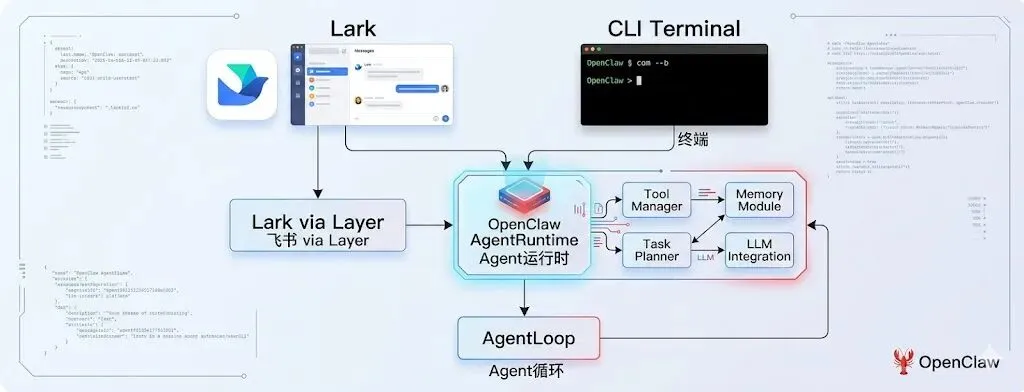
import jsonfrom dataclasses import dataclassfrom datetime import datetimeimport timefrom uuid import uuid4from typing import Optionalfrom channel_layer import RuntimeMessage@dataclassclass LoopDecision: kind: str # "answer" | "tool_calls" | "need_approval" answer: str = "" tool_calls: Optional[list] = None approval_request: Optional[dict] = Noneclass AgentLoop: """Plan / Execute / Observe:planner 只决策,executor 只执行。""" RUN_TIMEOUT_SECONDS = 60 MAX_STALL_STEPS = 8 MAX_SAME_TOOL_FAILURES = 3 NON_RETRIABLE_ERROR_SIGNATURES = ( "approval required", "allowlist miss", "permission denied", "权限缺失", "权限不足", "forbidden", "not authorized", "节点不在前台", "not in foreground", ) def __init__(self, client, memory_manager, tool_config, available_tools, personalization: dict): self.client = client self.memory_manager = memory_manager self.tool_config = tool_config self.available_tools = available_tools self.personalization = personalization self.session_histories = {} self.session_conversations = {} @staticmethod def _debug(stage: str, detail: str = ""): now = datetime.now().strftime("%H:%M:%S") suffix = f" | {detail}" if detail else "" print(f"[DEBUG] {now}{stage}{suffix}") @staticmethod def _new_conversation_id() -> str: return f"conv-{uuid4().hex[:10]}" def _resolve_conversation_id(self, session_id: str, requested_conversation_id: str = "") -> str: conversation_id = (requested_conversation_id or "").strip() if conversation_id: self.session_conversations[session_id] = conversation_id return conversation_id if session_id not in self.session_conversations: self.session_conversations[session_id] = self._new_conversation_id() return self.session_conversations[session_id] def _reset_conversation(self, session_id: str) -> str: new_id = self._new_conversation_id() self.session_conversations[session_id] = new_id self.session_histories[new_id] = [] return new_id def _get_or_create_history(self, conversation_id: str): if conversation_id not in self.session_histories: self.session_histories[conversation_id] = [] return self.session_histories[conversation_id] @staticmethod def _build_tool_error_message(tool_call_id: str, name: str, reason: str) -> dict: return { "role": "tool", "content": f"tool call not completed: {reason}", "tool_call_id": tool_call_id, "name": name, } def _repair_history(self, history: list[dict]) -> list[dict]: """修复悬空 tool_calls,保证给模型和持久化前的历史结构合法。""" repaired = [] i = 0 while i < len(history): item = history[i] repaired.append(item) tool_calls = item.get("tool_calls") if isinstance(item, dict) else None if item.get("role") == "assistant" and tool_calls: required_ids = [tc.get("id") for tc in tool_calls if tc.get("id")] j = i + 1 matched_ids = set() buffered_following = [] while j < len(history): nxt = history[j] if isinstance(nxt, dict) and nxt.get("role") == "tool": buffered_following.append(nxt) tool_call_id = nxt.get("tool_call_id") if tool_call_id in required_ids: matched_ids.add(tool_call_id) j += 1 continue break repaired.extend(buffered_following) missing_ids = [tid for tid in required_ids if tid not in matched_ids] if missing_ids: for tc in tool_calls: tc_id = tc.get("id") if tc_id in missing_ids: name = ((tc.get("function") or {}).get("name") if isinstance(tc, dict) else "") or "unknown" repaired.append(self._build_tool_error_message(tc_id, name, "missing tool response patched")) i = j continue i += 1 return repaired def _plan(self, user_scope_id: str, history: list[dict]) -> LoopDecision: history[:] = self._repair_history(history) self._debug("plan_start") response = self.client.chat.completions.create( model=self.personalization["models"]["fsm"], messages=[ { "role": "system", "content": "你是 Planner。优先直接回答;需要工具时发起 tool_calls;当问题需要多轮检索和网页阅读时优先调用 deep_search;危险工具先请求审批。", }, {"role": "system", "content": self.memory_manager.build_system_context(user_scope_id=user_scope_id)}, *history, ], tools=self.tool_config, stream=False, ) message = response.choices[0].message msg_dict = message.model_dump(exclude_none=True) if msg_dict.get("content") is None: msg_dict["content"] = "" history.append(msg_dict) if message.tool_calls: tool_calls = [ { "id": t.id, "name": t.function.name, "arguments": t.function.arguments, } for t in message.tool_calls ] if self._needs_approval(tool_calls): return LoopDecision( kind="need_approval", approval_request={"reason": "sensitive_tool", "tool_calls": tool_calls}, ) return LoopDecision(kind="tool_calls", tool_calls=tool_calls) self._debug("plan_end", "answer") return LoopDecision(kind="answer", answer=(message.content or "").strip()) @staticmethod def _needs_approval(tool_calls: list[dict]) -> bool: sensitive_keywords = ("delete", "remove", "exec", "shell", "write", "drop") for call in tool_calls: name = (call.get("name") or "").lower() if any(word in name for word in sensitive_keywords): return True return False @staticmethod def _request_approval(_msg: RuntimeMessage, approval_request: dict) -> str: tool_names = [c.get("name", "") for c in (approval_request or {}).get("tool_calls", [])] return f"审批结果:自动批准。tools={','.join(tool_names)}" @staticmethod def _tool_failure_signature(tool_name: str, args: str) -> str: return f"{tool_name}::{args}" @staticmethod def _is_tool_failure(text: str) -> bool: low = (text or "").lower() markers = ( "error", "failed", "failure", "exception", "命令执行失败", "命令执行异常", "json decode error", "not found", ) return any(m in low for m in markers) def _match_non_retriable_signature(self, text: str) -> str: low = (text or "").lower() for sig in self.NON_RETRIABLE_ERROR_SIGNATURES: if sig in low: return sig return "" def _execute(self, tool_calls: list[dict], failure_counts: dict[str, int]) -> tuple[list[dict], str]: self._debug("execute_start", f"count={len(tool_calls)}") tool_results = [] hard_stop_reason = "" for idx, tool_call in enumerate(tool_calls, start=1): func_name = tool_call.get("name", "") func_args_str = tool_call.get("arguments", "{}") call_id = tool_call.get("id", f"tool-{idx}") sig = self._tool_failure_signature(func_name, func_args_str) result = f"error: tool '{func_name}' not found." if func_name in self.available_tools: func = self.available_tools.get(func_name) try: json_args = json.loads(func_args_str) result = func(**json_args) except json.JSONDecodeError as e: result = f"Tool arguments JSON decode error: {str(e)}" except Exception as e: result = f"Error executing tool '{func_name}': {str(e)}" result_text = str(result) non_retry_sig = self._match_non_retriable_signature(result_text) if non_retry_sig: hard_stop_reason = ( f"检测到不可重试错误签名: `{non_retry_sig}`。" f"工具 `{func_name}` 返回:{result_text}" ) if self._is_tool_failure(result_text): failure_counts[sig] = failure_counts.get(sig, 0) + 1 if failure_counts[sig] >= self.MAX_SAME_TOOL_FAILURES and not hard_stop_reason: hard_stop_reason = ( f"同一工具与参数连续失败已达 {self.MAX_SAME_TOOL_FAILURES} 次," f"停止重试。工具=`{func_name}` 参数=`{func_args_str}` 最近报错:{result_text}" ) else: failure_counts[sig] = 0 tool_results.append( { "role": "tool", "content": result_text, "tool_call_id": call_id, "name": func_name, } ) if hard_stop_reason: break self._debug("execute_end") return tool_results, hard_stop_reason def run(self, msg: RuntimeMessage) -> dict: run_id = f"run-{uuid4().hex[:8]}" session_id = msg.session_id user_input = (msg.text or "").strip() user_scope_id = (msg.user_scope_id or session_id).strip() or session_id conversation_id = self._resolve_conversation_id(session_id, msg.conversation_id) queue_wait_ms = max(0, int(time.time() * 1000) - int(getattr(msg, "enqueue_ts_ms", 0) or 0)) llm_ms_total = 0 tool_ms_total = 0 memory_ms_total = 0 if not user_input: self._debug( "run_metrics", f"run_id={run_id} session_id={session_id} conversation_id={conversation_id} " f"queue_wait_ms={queue_wait_ms} llm_ms={llm_ms_total} tool_ms={tool_ms_total} " f"memory_ms={memory_ms_total} dedup_key={getattr(msg, 'dedup_key', '')}", ) return { "session_id": session_id, "conversation_id": conversation_id, "user_scope_id": user_scope_id, "text": "Empty input.", } if user_input == "/reset": new_conversation_id = self._reset_conversation(session_id) self._debug( "run_metrics", f"run_id={run_id} session_id={session_id} conversation_id={new_conversation_id} " f"queue_wait_ms={queue_wait_ms} llm_ms={llm_ms_total} tool_ms={tool_ms_total} " f"memory_ms={memory_ms_total} dedup_key={getattr(msg, 'dedup_key', '')}", ) return { "session_id": session_id, "conversation_id": new_conversation_id, "user_scope_id": user_scope_id, "text": f"会话已重置,新短期会话ID: {new_conversation_id}", } history = self._get_or_create_history(conversation_id) history.append({"role": "user", "content": user_input}) state = "PLANNING" pending_tool_calls = [] final_answer = "" loop_start = time.perf_counter() failure_counts: dict[str, int] = {} last_snapshot = "" stall_steps = 0 for _ in range(64): if (time.perf_counter() - loop_start) > self.RUN_TIMEOUT_SECONDS: final_answer = "本轮处理超过 60 秒已强制结束,请你根据当前报错继续排障,我已把控制权交还给你。" break snapshot = f"{state}|{len(history)}|{len(pending_tool_calls)}|{final_answer}" if snapshot == last_snapshot: stall_steps += 1 else: stall_steps = 0 last_snapshot = snapshot if stall_steps >= self.MAX_STALL_STEPS: final_answer = "连续 8 步无状态变化,已终止本轮处理。请提供更具体输入或调整权限/参数后重试。" break if state == "PLANNING": t_llm_start = time.perf_counter() decision = self._plan(user_scope_id=user_scope_id, history=history) llm_ms_total += int((time.perf_counter() - t_llm_start) * 1000) if decision.kind == "answer": final_answer = decision.answer or "" break if decision.kind == "tool_calls": pending_tool_calls = decision.tool_calls or [] state = "EXECUTING" continue if decision.kind == "need_approval": approval_result = self._request_approval(msg, decision.approval_request or {}) self._debug("approval", approval_result) pending_tool_calls = (decision.approval_request or {}).get("tool_calls", []) state = "EXECUTING" continue if state == "EXECUTING": t_tool_start = time.perf_counter() tool_results, hard_stop_reason = self._execute(pending_tool_calls, failure_counts=failure_counts) tool_ms_total += int((time.perf_counter() - t_tool_start) * 1000) history.extend(tool_results) if hard_stop_reason: final_answer = ( "工具执行已停止,原因如下:\n" f"{hard_stop_reason}\n\n" "这类错误通常不应继续自动重试,请你确认权限、allowlist、审批状态或前台节点状态后再继续。" ) break state = "OBSERVING" continue if state == "OBSERVING": state = "PLANNING" continue else: final_answer = "处理超出最大轮次,请简化问题后重试。" if final_answer: history.append({"role": "assistant", "content": final_answer}) history[:] = self._repair_history(history) t_memory_start = time.perf_counter() self.memory_manager.update_memory(user_input, final_answer, user_scope_id=user_scope_id) self.memory_manager.maybe_update_soul(user_scope_id=user_scope_id) compacted_history = self.memory_manager.compact_history_if_needed( history, max_chars=256000, user_scope_id=user_scope_id, ) memory_ms_total += int((time.perf_counter() - t_memory_start) * 1000) if compacted_history is not history: new_conversation_id = self._new_conversation_id() self.session_conversations[session_id] = new_conversation_id self.session_histories[new_conversation_id] = compacted_history self.session_histories.pop(conversation_id, None) conversation_id = new_conversation_id else: self.session_histories[conversation_id] = compacted_history self._debug( "run_metrics", f"run_id={run_id} session_id={session_id} conversation_id={conversation_id} " f"queue_wait_ms={queue_wait_ms} llm_ms={llm_ms_total} tool_ms={tool_ms_total} " f"memory_ms={memory_ms_total} dedup_key={getattr(msg, 'dedup_key', '')}", ) return { "session_id": session_id, "conversation_id": conversation_id, "user_scope_id": user_scope_id, "text": final_answer, }


 10个月宝宝每天需要喝多少奶粉?